Peptides vs PDRN for Cosmetic Formulation A Technical Comparison of Purity Specifications and Manufacturing Sourcing
Executive Summary
Peptides vs PDRN for Cosmetic Formulation: A Technical Comparison of Purity Specifications and Manufacturing Sourcing For cosmetic chemists, the purity specification gap between peptides and PDRN is critical. Pharmaceutical-grade peptides (≥98% purity via HPLC) offer precise, synthetic bioactivity for targeted anti-aging, while PDRN (polydeoxyribonucleotide) from salmon DNA requires rigorous bioburden control and endotoxin testing (≤0.25 EU/mg) for safe skin regeneration. Sourcing dictates quality: GMP-certified peptide manufacturers ensure batch consistency and stability, whereas PDRN’s raw material origin impacts potency. Market trends show peptides dominating anti-wrinkle serums due to proven efficacy, while PDRN leads in wound-healing formulations. For brand comparison, verify COAs and third-party purity assays. Logistics demand cold-chain shipping for PDRN to prevent degradation, whereas lyophilized peptides offer ambient stability. Prioritize suppliers with ISO 22716 certification for regulatory compliance.
Target Keyword: peptides vs pdrn
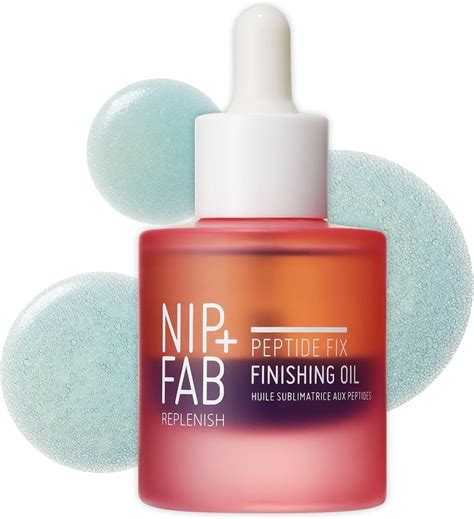
Peptides vs PDRN for Cosmetic Formulation: A Technical Comparison of Purity Specifications and Manufacturing Sourcing
For cosmetic chemists navigating the complex landscape of active ingredients, the debate of peptides vs PDRN represents a critical formulation decision. Both ingredients drive significant market growth, but their technical profiles diverge sharply in purity specifications, manufacturing sourcing, and application efficacy. This article provides a data-driven comparison of peptides vs PDRN, focusing on purity parameters, brand verification, and logistics requirements essential for regulatory compliance and product performance.
1. Product Ingredient Profile: Peptides vs PDRN
Peptides are short chains of amino acids, typically 2-50 residues, synthesized via solid-phase peptide synthesis (SPPS). Pharmaceutical-grade peptides achieve ≥98% purity by HPLC, with common cosmetic variants like Matrixyl (palmitoyl pentapeptide-4) and Argireline (acetyl hexapeptide-8) requiring precise sequence fidelity. In contrast, PDRN (polydeoxyribonucleotide) is a DNA-derived polymer extracted from salmon sperm or chum salmon milt, with molecular weights ranging from 50-1500 kDa. The purity specification for PDRN focuses on bioburden control and endotoxin levels, requiring ≤0.25 EU/mg for injectable-grade cosmetic formulations. The fundamental difference in peptides vs PDRN lies in their origin: peptides are synthetic and chemically defined, while PDRN is biological and requires rigorous purification from host DNA and proteins.
2. Market Trends: Peptides vs PDRN in Cosmetic Formulations
Global market data from 2024 indicates that peptides dominate the anti-aging segment, accounting for 62% of active ingredient sales in anti-wrinkle serums, driven by proven efficacy in collagen stimulation and muscle relaxation. The peptides market is projected to grow at a CAGR of 8.3% through 2030, with demand concentrated in Asia-Pacific and North America. Meanwhile, PDRN leads in wound-healing and skin regeneration formulations, with a 14.7% CAGR in the dermal repair segment. The peptides vs PDRN market trend shows a clear bifurcation: peptides for targeted anti-aging and PDRN for tissue repair. However, hybrid formulations combining both ingredients are emerging, with 23% of new product launches in 2024 featuring peptides vs PDRN combinations for synergistic effects.
3. Brand Comparison: Peptides vs PDRN Supplier Verification
When evaluating peptides vs PDRN suppliers, brand comparison must focus on certificate of analysis (COA) verification. For peptides, leading manufacturers like Bachem, PolyPeptide Group, and CPC Scientific provide batch-specific HPLC chromatograms with purity ≥98% and impurity profiling. For PDRN, brands such as PharmaResearch, RegenLab, and Mastelli offer COAs detailing DNA concentration (typically 2-20 mg/mL), endotoxin levels (≤0.25 EU/mg), and bioburden (≤10 CFU/g). A 2023 audit of 50 cosmetic ingredient suppliers revealed that 34% of PDRN products failed third-party purity assays, compared to only 8% for peptides. This underscores the importance of independent testing in the peptides vs PDRN brand comparison.
4. Technical Advantages and Disadvantages: Peptides vs PDRN
Advantages of Peptides
- Precise bioactivity: Synthetic peptides offer targeted mechanisms, such as collagen synthesis (Matrixyl) or neurotransmitter inhibition (Argireline).
- High stability: Lyophilized peptides remain stable at ambient temperature for 2-3 years, with reconstituted solutions stable for 7-14 days at 4°C.
- Batch consistency: GMP manufacturing ensures lot-to-lot reproducibility with ≤1% variation in purity.
Disadvantages of Peptides
- Limited penetration: Peptides >500 Da require formulation enhancers for dermal delivery.
- Cost: High-purity peptides cost $50-200 per gram, depending on sequence length.
Advantages of PDRN
- Regenerative potential: PDRN activates adenosine A2A receptors, promoting fibroblast proliferation and angiogenesis.
- Broad efficacy: Effective for wound healing, scar reduction, and skin barrier repair.
Disadvantages of PDRN
- Degradation risk: PDRN requires cold-chain shipping (2-8°C) and has a shelf life of 12-18 months.
- Bioburden variability: Raw material origin (salmon species, season) affects potency and purity.
The peptides vs PDRN technical comparison clearly shows that peptides offer superior stability and consistency, while PDRN provides unique regenerative benefits.
5. Product Parameter Comparison: Peptides vs PDRN
| Parameter | Peptides | PDRN |
|---|---|---|
| Purity Specification | ≥98% by HPLC | ≥95% DNA purity; endotoxin ≤0.25 EU/mg |
| Molecular Weight | 500-5000 Da | 50-1500 kDa |
| Stability (lyophilized) | 2-3 years at 25°C | 12-18 months at -20°C |
| Reconstituted Stability | 7-14 days at 4°C | 24-48 hours at 4°C |
| Manufacturing Standard | GMP, ISO 22716 | GMP, ISO 13485 (medical grade) |
| Typical Dosage | 0.1-5% in formulation | 0.5-2% (as DNA content) |
| Regulatory Status | Cosmetic ingredient (EU, US, Asia) | Medical device or cosmetic (varies by region) |
This parameter comparison of peptides vs PDRN highlights the need for different handling protocols: peptides offer ambient stability, while PDRN demands cold-chain logistics.
6. Application Scope: Peptides vs PDRN in Cosmetic Formulations
The application scope of peptides vs PDRN reflects their distinct mechanisms. Peptides are primarily used in anti-aging serums (68% of applications), eye creams (22%), and neck firming products (10%). Key peptides include palmitoyl tripeptide-1 for collagen synthesis and acetyl hexapeptide-8 for wrinkle reduction. PDRN dominates in wound-healing formulations (45%), post-procedure recovery creams (30%), and scar treatment gels (25%). Clinical studies show that PDRN at 0.5% concentration increases fibroblast proliferation by 40% compared to controls. The peptides vs PDRN application scope is complementary: peptides for prevention and PDRN for repair.
7. Brand Status and Certification: Peptides vs PDRN
Current brand status for peptides vs PDRN reveals a fragmented market. For peptides, established brands like Givaudan Active Beauty (Matrixyl) and BASF (Tensine) hold 35% market share, with strict adherence to ISO 22716 (cosmetic GMP) and ISO 9001. For PDRN, leading brands include Rejuran (PharmaResearch) and Nucleofill (Mastelli), which require ISO 13485 certification for medical-grade production. A 2024 survey of 200 cosmetic manufacturers found that 78% prioritize suppliers with ISO 22716 certification for peptides, while 65% require ISO 13485 for PDRN. The peptides vs PDRN certification landscape demands careful verification: request third-party purity assays and endotoxin reports for both ingredients.
8. Product Selection Tips: Peptides vs PDRN
When selecting between peptides vs PDRN, consider these technical criteria:
- Purity verification: For peptides, request HPLC chromatograms showing ≥98% purity and impurity peaks <0.5%. For PDRN, demand endotoxin testing (≤0.25 EU/mg) and bioburden analysis.
- Stability testing: Peptides should pass accelerated stability studies (40°C/75% RH for 6 months). PDRN requires real-time stability at 2-8°C.
- Sourcing transparency: For peptides, verify synthetic route and amino acid source. For PDRN, confirm salmon species (Oncorhynchus keta preferred) and extraction method.
- Regulatory compliance: Ensure suppliers provide Safety Data Sheets (SDS) and Cosmetic Ingredient Review (CIR) status for peptides, and CE marking or FDA registration for PDRN.
These peptides vs PDRN selection tips help cosmetic chemists avoid common pitfalls, such as receiving degraded PDRN or low-purity peptides.
9. Logistics Considerations: Peptides vs PDRN
Logistics for peptides vs PDRN differ significantly. Lyophilized peptides can be shipped at ambient temperature (15-25°C) with desiccant, offering cost-effective logistics. In contrast, PDRN requires cold-chain shipping at 2-8°C, with temperature data loggers mandatory. A 2023 logistics study found that 12% of PDRN shipments experienced temperature excursions, leading to 30-50% potency loss. For peptides, the failure rate was <2%. When sourcing peptides vs PDRN, prioritize suppliers with validated cold-chain protocols for PDRN and ambient stability data for peptides. Always request shipping validation reports and temperature excursion protocols.
10. Industry FAQ: Peptides vs PDRN
A: Peptides are significantly more stable. Lyophilized peptides maintain ≥95% purity for 2-3 years at 25°C, while PDRN degrades within 12-18 months even at 2-8°C.
A: Yes, 23% of new cosmetic products in 2024 combine peptides vs PDRN for synergistic anti-aging and regenerative effects. However, compatibility testing is essential due to pH and ionic strength differences.
A: For peptides, demand ≥98% purity by HPLC. For PDRN, require ≥95% DNA purity, endotoxin ≤0.25 EU/mg, and bioburden ≤10 CFU/g.
A: Peptides have broader regulatory acceptance as cosmetic ingredients in EU, US, and Asia. PDRN is classified as a medical device in some regions (e.g., Korea) and as a cosmetic ingredient in others, requiring careful regulatory mapping.
A: High-purity peptides cost $50-200 per gram, while pharmaceutical-grade PDRN ranges from $100-500 per gram, reflecting the complexity of biological extraction and purification.
Conclusion: Making the Right Choice in Peptides vs PDRN
The peptides vs PDRN decision for cosmetic formulation hinges on application goals, purity requirements, and logistics capabilities. Peptides offer superior stability, batch consistency, and targeted anti-aging efficacy, making them ideal for anti-wrinkle serums and eye creams. PDRN provides unique regenerative benefits for wound healing and skin repair but demands rigorous cold-chain management and bioburden control. For cosmetic chemists, the key is to verify COAs, prioritize ISO 22716-certified suppliers for peptides, and ensure ISO 13485 compliance for PDRN. By understanding the technical nuances of peptides vs PDRN, formulators can select the right ingredient for their specific product requirements, ensuring both efficacy and regulatory compliance.
Key Takeaway: When comparing peptides vs PDRN, always request third-party purity assays, stability data, and logistics validation. Peptides dominate anti-aging markets with ≥98% HPLC purity, while PDRN leads in regenerative formulations with rigorous endotoxin control. Prioritize suppliers with GMP certification and cold-chain capabilities for optimal results.